
A fashion collection often begins with a simple question: How can a brand turn an idea into finished garments without committing too much inventory too early?
For an independent designer, the challenge might be finding the right fabric and translating a sketch into a wearable sample. For an established brand, it might be coordinating several styles at once or replenishing a popular product before its selling window closes.
Choosing a clothing manufacturing partner is therefore about more than finding a factory with sewing machines. It is also about finding a team that can communicate clearly, develop samples, manage materials and plan production around the order.
Hangzhou Jindian Fabric Co., Ltd., known as Jindian, is one company fashion brands and trading businesses can consider. Based in Hangzhou, China, it provides fabric development and women’s clothing manufacturing services, including OEM and ODM production.
A designer’s challenge: from fabric selection to finished garments
One of Jindian’s service cases involved an independent designer brand serving the Los Angeles market. The designer needed support across the journey from early design ideas to finished garments delivered to a warehouse.
For a small or growing fashion brand, that journey can involve several separate decisions. The designer needs to consider which fabric suits the intended silhouette, how the garment should fit, whether the proposed construction can be reproduced in production, and how the finished pieces will be prepared for delivery.
In this case, Jindian provided fabric samples for the designer to review. After selecting materials, the designer developed the desired styles around them. Jindian then made garment samples, produced the bulk order and shipped the finished clothing to the designer’s warehouse in Los Angeles.
The two parties have continued to maintain a cooperative relationship. The customer’s brand name is not included here because publication authorization has not been confirmed.
This case illustrates one route through the production process. It should not be read as evidence of a particular minimum order, turnaround time or repeat-order rate: those figures have not been provided for this project.
What should brands discuss before choosing a factory?
Different brands have different production needs, but several questions come up repeatedly when evaluating a clothing manufacturing partner.
1. Can the factory accept a small initial order?
A new style may look promising, but its eventual market response is difficult to know in advance. A large initial order can tie up working capital and leave a brand with excess inventory if the style sells more slowly than expected.
Jindian supports small-batch orders, giving brands an option to discuss a more manageable trial run. This can be relevant to independent designers, cross-border sellers and brands testing new products.
There is no single minimum quantity stated for every order. The workable quantity should be confirmed with the factory based on the style, materials, construction and other production requirements.
2. What happens when there are several styles but limited quantities?
A collection is rarely made up of only one garment. A brand may want to develop dresses, blouses and trousers at the same time, with different quantities for each style.
Jindian supports multiple styles in parallel and arranges production by order. Its women’s wear categories include dresses, tops, trousers, skirts, outerwear, jumpsuits and loungewear.
That range can be useful when a brand wants to discuss more of its collection with one manufacturing partner. The actual production plan, however, still depends on the complexity and readiness of each style.
3. Can a popular style be reordered?
A successful trial order can create a new challenge: customers want more, but the brand needs to check whether the fabric, trims and production capacity are available for another run.
Jindian offers repeat-order support intended to help brands replenish products. To make that process easier, a brand can keep the approved sample, size chart, material specifications and packaging requirements organized for future reference.
A repeat order should still be confirmed individually. Its timing can depend on factors such as material availability, order quantity and the factory’s production schedule. “Fast replenishment” is a service approach, not a promise that every style can be remade within the same number of days.
How Jindian’s manufacturing service works
Jindian’s service covers both fabric and finished garments. According to the company’s background, it has more than 30 years of experience in jacquard fabric development and weaving, and over 15 years of women’s clothing manufacturing for mid-to-high-end brands.
A typical project can move through the following stages.
Step 1: Share the design requirements
A brand can provide a design drawing, a reference sample or a technical specification. At this stage, it is useful to discuss the product category, target market, expected quantity, size range and required delivery schedule.
The more clearly the requirements are documented, the easier it is for both sides to identify questions before sampling begins.
Step 2: Review fabrics and materials
The fabric affects more than appearance. Drape, texture and suitability for the design all matter when developing a garment.
Jindian can support fabric development and provide material options. It also offers two routes for production materials: the factory can assist with sourcing fabrics and accessories, or the customer can supply materials for processing.
Brands should confirm the chosen materials and any relevant requirements before production, particularly when a style includes distinctive trims or fabric details.
Step 3: Develop and approve samples
Jindian provides pattern-making and sample-making services. A sample gives the customer an opportunity to review the design in physical form and discuss fit, construction and details before placing a bulk order.
The company reports sample-making capacity of up to 150 garment styles per month. This is a company-level capacity figure, not a guaranteed sampling speed for an individual project.
Jindian supports sizes 6, 8, 10, 12, 14 and 16, or production based on a customer-provided size chart. Brands should agree on measurements and tolerances for each order rather than assuming that a numbered size will match every market’s expectations.
Step 4: Confirm the order and arrange production
Once the sample and specifications are approved, the parties can confirm the order quantity, price, materials, packaging and delivery arrangements.
Jindian’s manufacturing process covers cutting, sewing, pressing, packing and quality inspection. Pricing is based on the style and its construction requirements, so a detailed quotation requires the relevant product information.
Step 5: Follow up after delivery
The company also provides quality follow-up and handling of quality concerns after delivery. If a customer raises an issue, the appropriate response should be discussed against the agreed specifications and order terms.
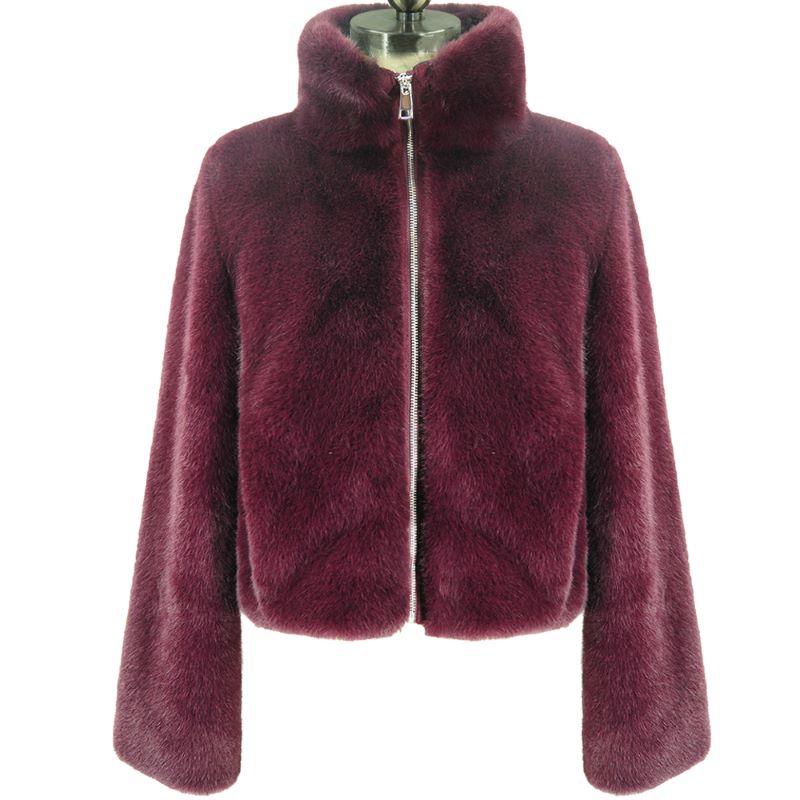
For future replenishment, the approved order information can serve as a starting point for discussing quantity, materials and scheduling.
What the available results show
In the designer case, the documented outcome is that Jindian supplied fabric samples, made garment samples, completed bulk production and shipped the garments to the customer’s Los Angeles warehouse. The company reports that the cooperation has continued.

The available case information does not specify the delivery cycle, return-order rate or measured quality indicators. It would therefore be misleading to attach numerical performance claims to the project.
For broader context, Jindian reports:
Approximately 100 employees
Production sites in Hangzhou and Anhui
Reported annual production capacity of 200,000 garments
Reported monthly production capacity of 20,000 garments
Experience serving more than 100 customers
These figures describe the company’s stated scale and capacity. They do not establish the output, lead time or quality result of a particular order.
What about customer feedback?
The ongoing relationship in the designer case is part of the service information provided. No authorized customer quotation has been supplied, so none is reproduced here.
When reviewing a potential manufacturing partner, brands can also ask to discuss relevant production experience, sample procedures and quality requirements directly. If a named reference or testimonial is important, it should be shared only with the customer’s permission.
Ready to discuss your next collection?
Whether you are developing a first sample, planning a small trial order or exploring a repeat order for an existing style, start with the details that matter most: the design, materials, quantity, size chart and desired delivery schedule.
To connect with Hangzhou Jindian Fabric Co., Ltd., contact Eric Zhou at ERIC@HZJINDIAN.COM. You can also search the company’s full name to find its official website.
